

The Benefits of Letting Children go Barefoot
This blog is for the barefoot advocate, for those educators sick of helping children put shoes back on when they don’t want to and don’t need to safety wise. Yes, we agree that shoes should be worn in some circumstances (around fire, hand tools, when riding bikes and scooters, in some water sources out the gate) but generally, if we’re talking about playing inside the gate, there is no reason children shouldn’t be going barefoot as much as possible.
So if you need some research to help convince your team/leadership/parents etc. Here it is!

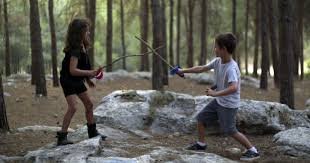
The Truth About Weapons Play: It's Not About Violence—It's About Imagination
Parents and Educators often hesitate when they see children playing with sticks, crafting pretend weapons, or engaging in games that mimic battles or adventures.
There's a common worry: Will this encourage violent behavior?
However, research and child development experts suggest that weapons play, when guided appropriately, is not a precursor to violence. Instead, it is an imaginative outlet that fosters creativity, problem-solving, and emotional resilience.
Why Mud is an Essential Ingredient of Childhood
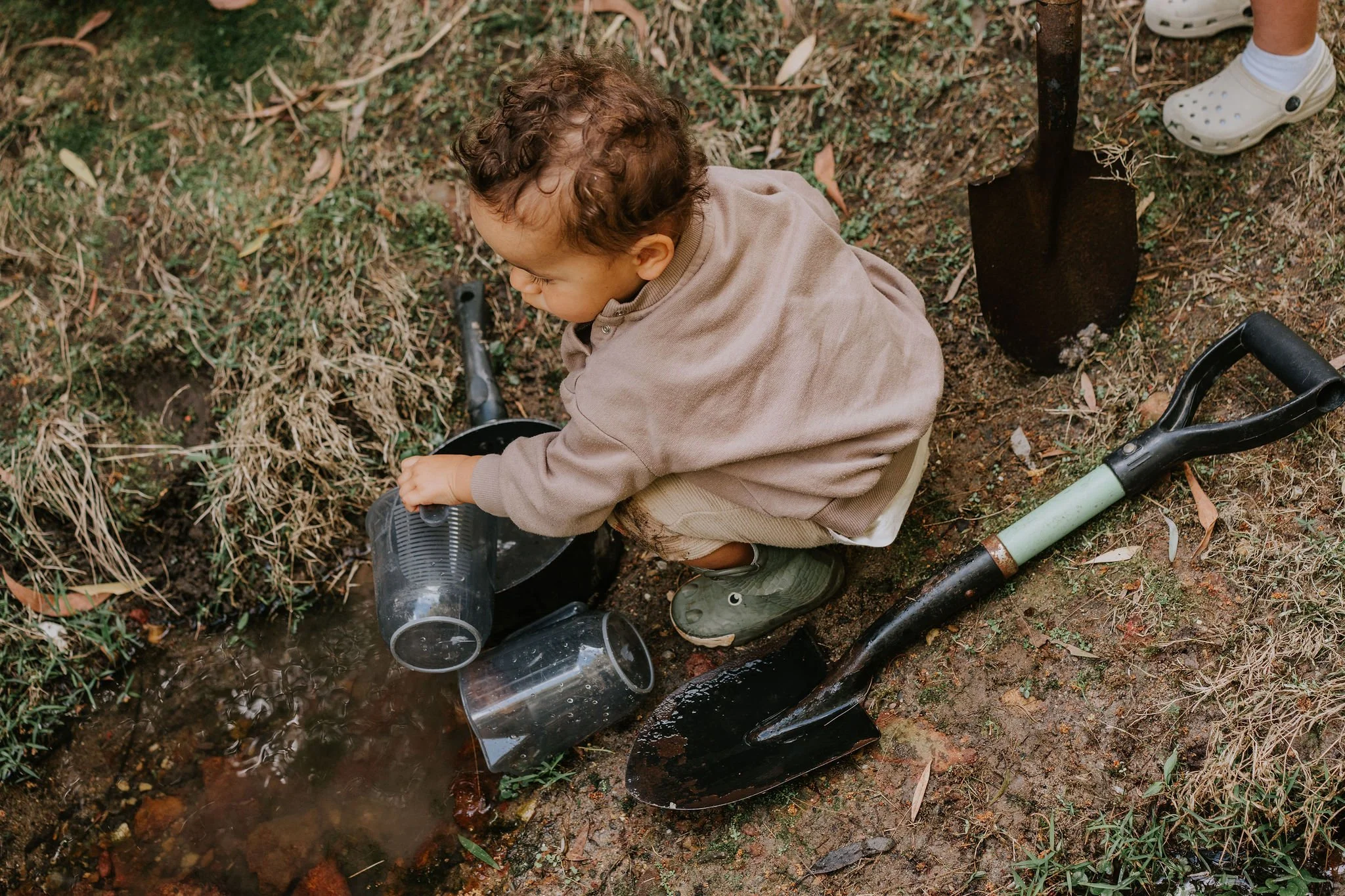
Sticky, gooey, oozy, slimy, glorious mud! It’s a quintessential childhood ingredient, one that parents and educators either avoid or tolerate. At Little Wildlings, we embrace it. Or rather, the children do!
When rain transforms our outdoor space into pits, bogs and kitchens, the magic of mud play begins. The sheer joy on children’s faces is hard to capture in words, but the benefits of mud are easier to share.
And yes, we know what you’re thinking: what about the mess? Don’t worry, we’ve got hot tips for that too.
Why Early Years Services Should Choose Real Grass Over Artificial Turf
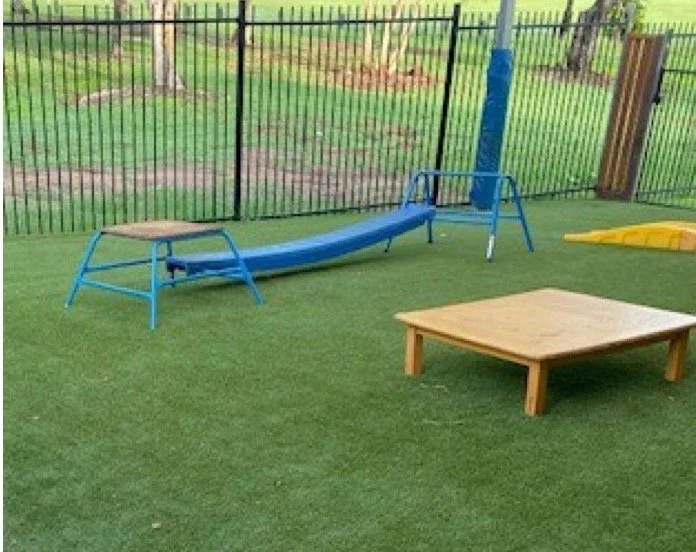
Now, we know we’re not Landscape Architects, but we have an opinion anyway :) Here are just some of the reasons we recommend real turf, over artificial turf, wherever possible.

The Benefits of Protecting the Integrity of Kindy
In a world that’s increasingly fast-paced and performance-driven, Kindy offers something precious: time. Time to explore, to wonder, to try, to fail, to imagine. It gives children permission to be present—without pressure to perform or conform. And it gives educators the space to slow down, to listen deeply, and to honour the unique trajectory of each child’s learning.

What Does Effective Supervision Look Like at Bush Kindy?
Supervision is at the heart of everything we do in early childhood. It’s the foundation of keeping children safe, building trust with families, and creating environments where children can explore with confidence. At Bush Kindy, supervision takes on a new dimension. The wide-open and hidden spaces, natural hazards, and unpredictable environments mean that our usual strategies need to be adapted. Effective supervision in the bush doesn’t look like standing guard over a sandpit — it’s dynamic, responsive, and deeply relational.

Your Child Doesn’t Need Another Organised Activity. They Need Dirt.
Let’s be real.
The average five-year-old today can swipe a screen before they can climb a tree.
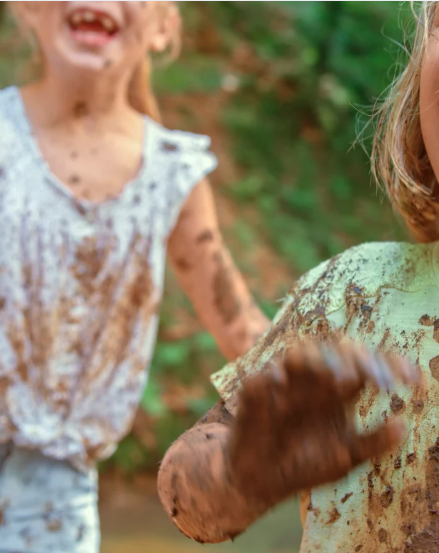
We’ve created a generation of tiny adults — programmed, polished, and permanently supervised. Their schedules are packed tighter than a CEO’s calendar. Gymnastics. Swimming Lessons. Little Kickers. Meanwhile, the last time they played in the mud? Can’t remember. Maybe never.
And here’s the punchline: we call this enrichment.
Let us say it louder for the everyone in the back…
Children are not a productivity project. They’re a wild thing. And wild things need the wild.


Embracing Nature's Elements: The Power of All-Weather Outdoor Play for Kids
It all begins with an idea.


Leading by Example: The Power of Modeling Nature Connection for Children
It all begins with an idea.