

Frequently Asked Questions
Everything you've been wondering about Little Wildlings.
Choosing an early childhood service is one of the biggest decisions you'll make as a parent. We know you probably have lots of questions and you should. Below you'll find honest answers to the questions we're asked most often. If there's anything else you'd like to know, we'd love to chat or show you around on a tour.
About Little Wildlings
What makes Little Wildlings different?
Little Wildlings is a nature-based early childhood service where children spend every day immersed in nature through child-led play, meaningful relationships, and real-life experiences.
Rather than following predetermined themes or worksheets, our curriculum emerges from children's interests, the changing seasons, and the natural environment around us. We believe children learn best when they have the freedom to explore, take appropriate risks, solve problems, and discover the world through play.
Is Little Wildlings a Bush Kindy?
Yes we are! But we're much more than that.
Bush Kindy isn't something we do once a week. Nature is where learning happens every day.
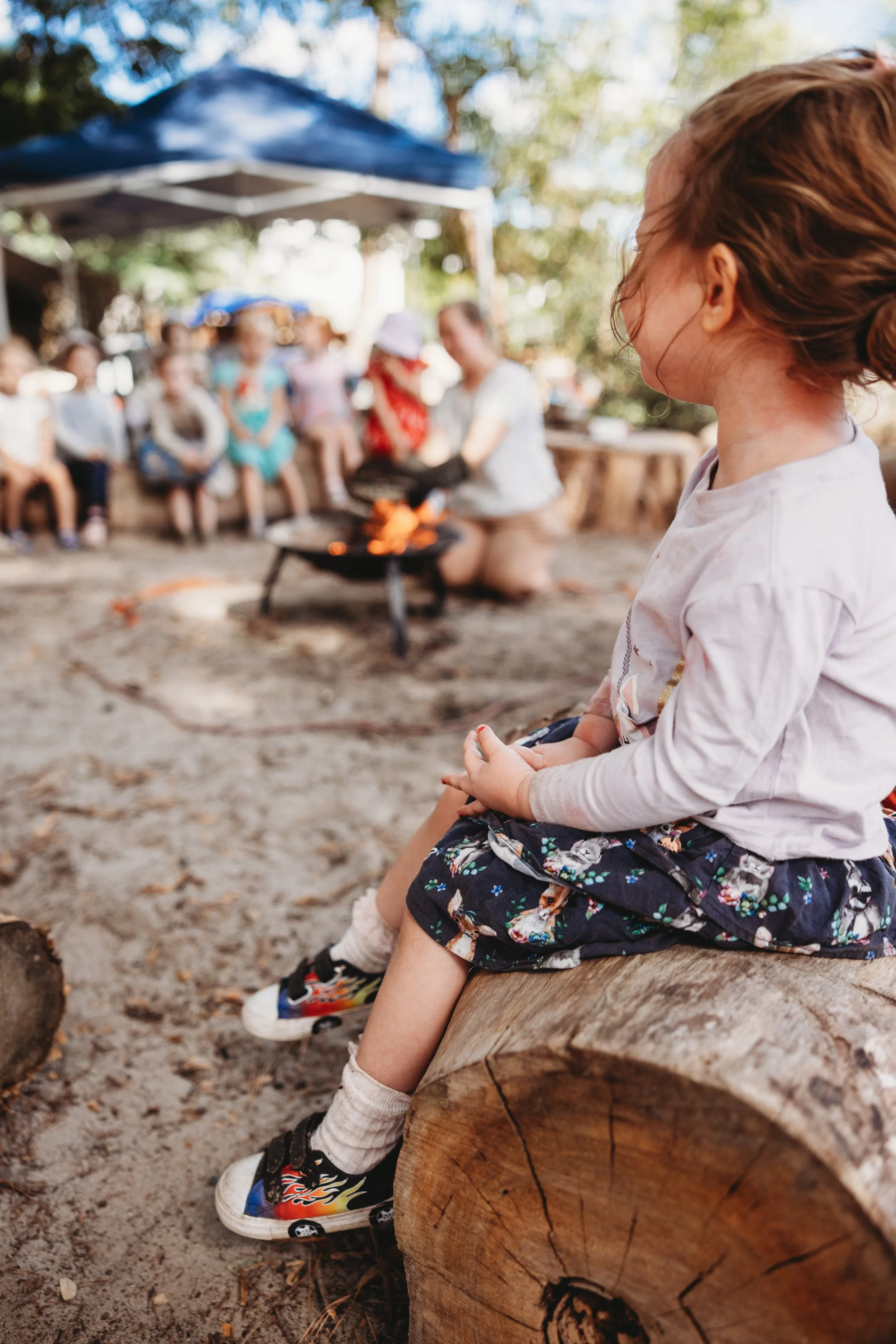
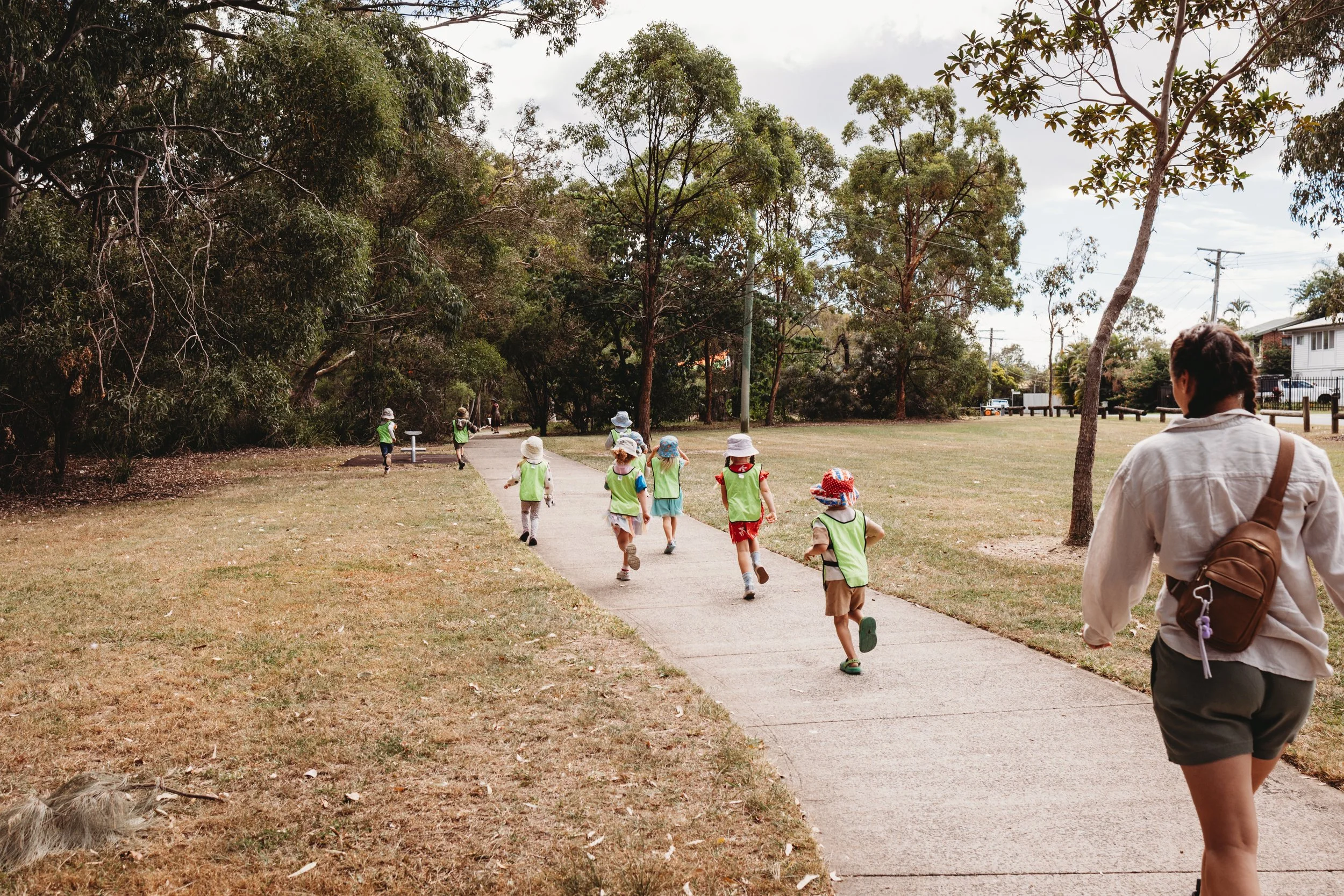
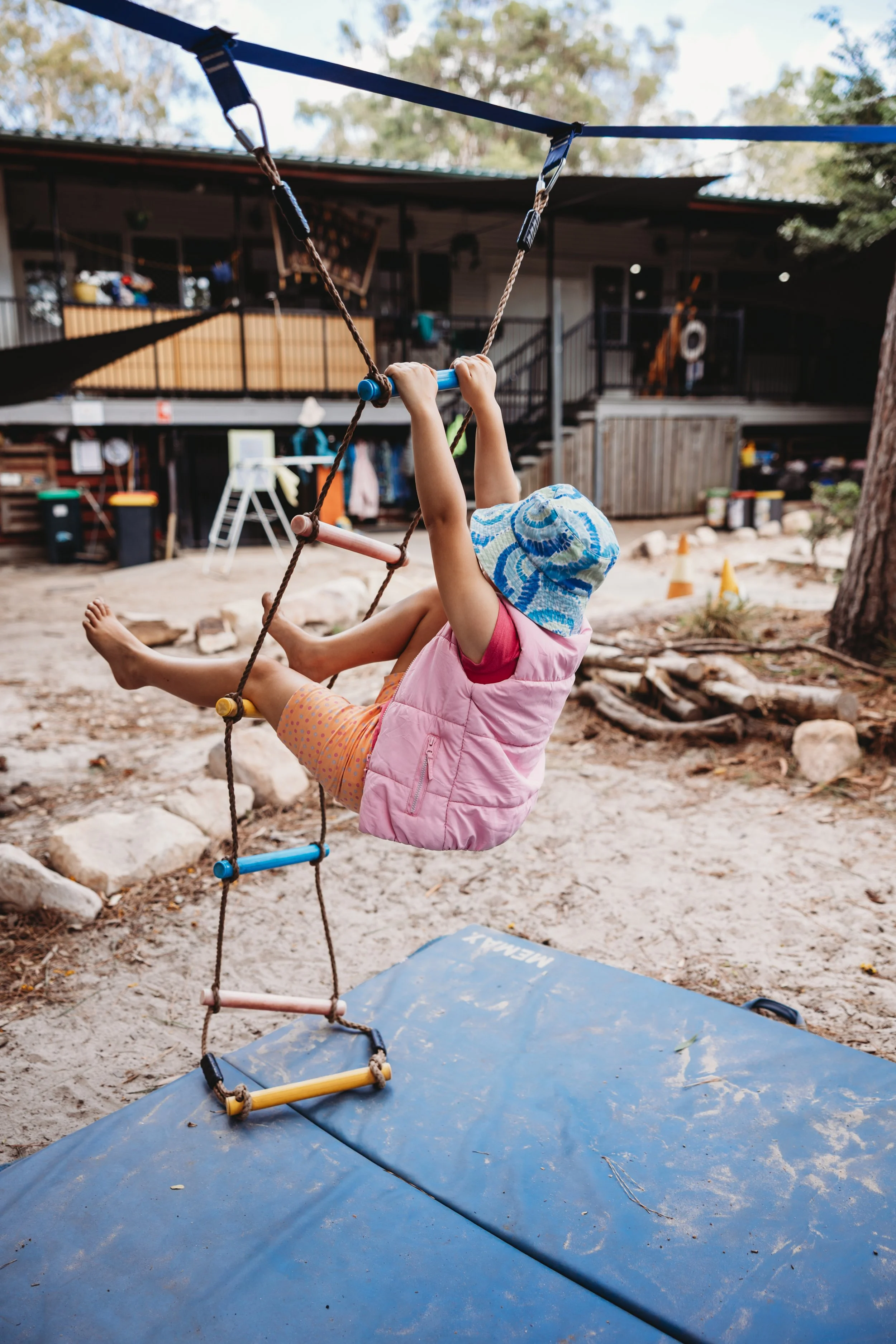
Children explore on-site and off-site environments through Bush Kindy, fire cooking, gardening, tree climbing, tool use, loose parts play, community walks, and countless opportunities for discovery.
Nature isn't just our playground; it is our classroom.
No two days look exactly the same because our program is responsive to children's interests, the weather, the seasons, and what's happening in our local environment.
A typical day may include:
Morning Gathering
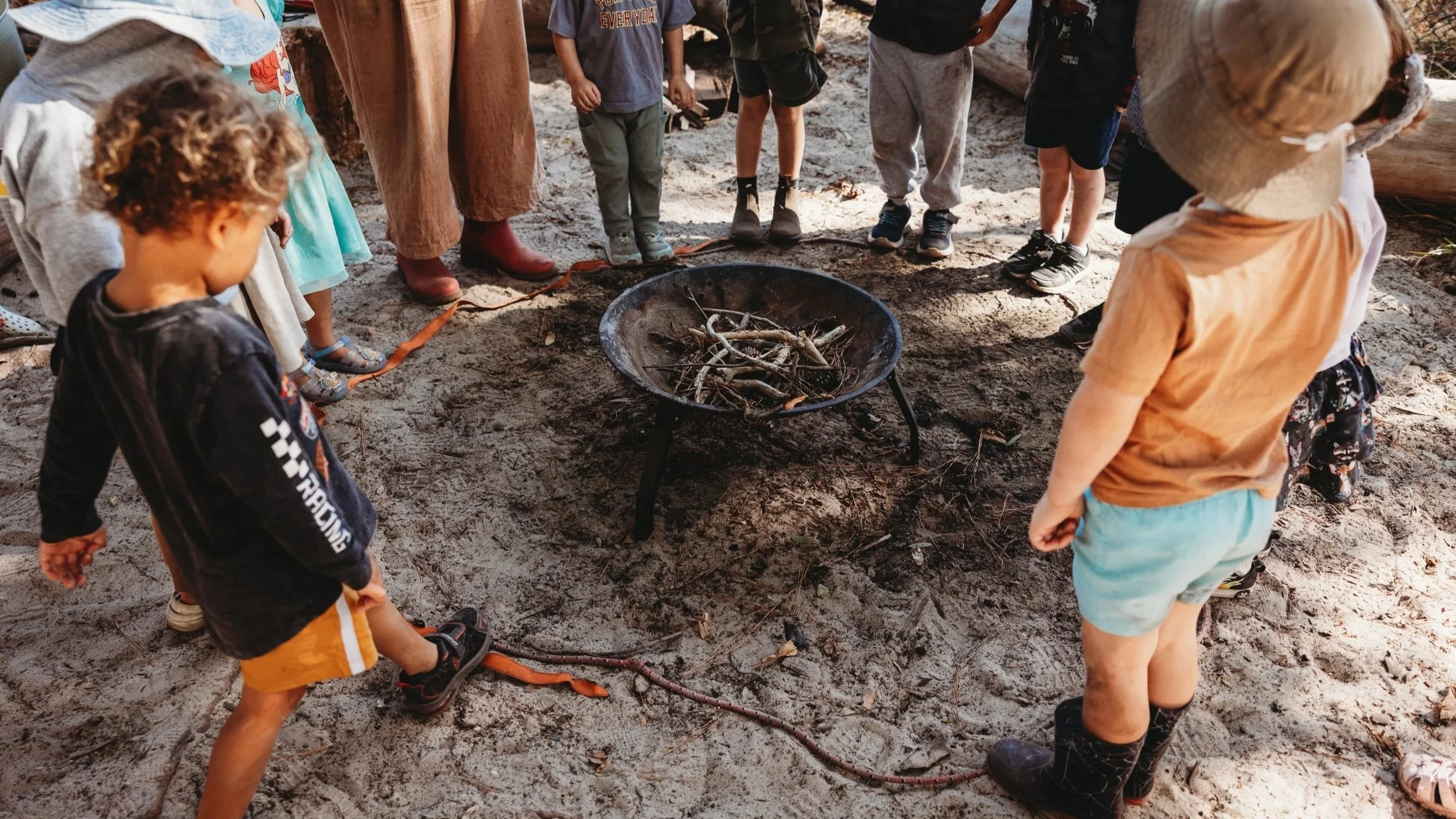
Cooking around the fire
Nature walk
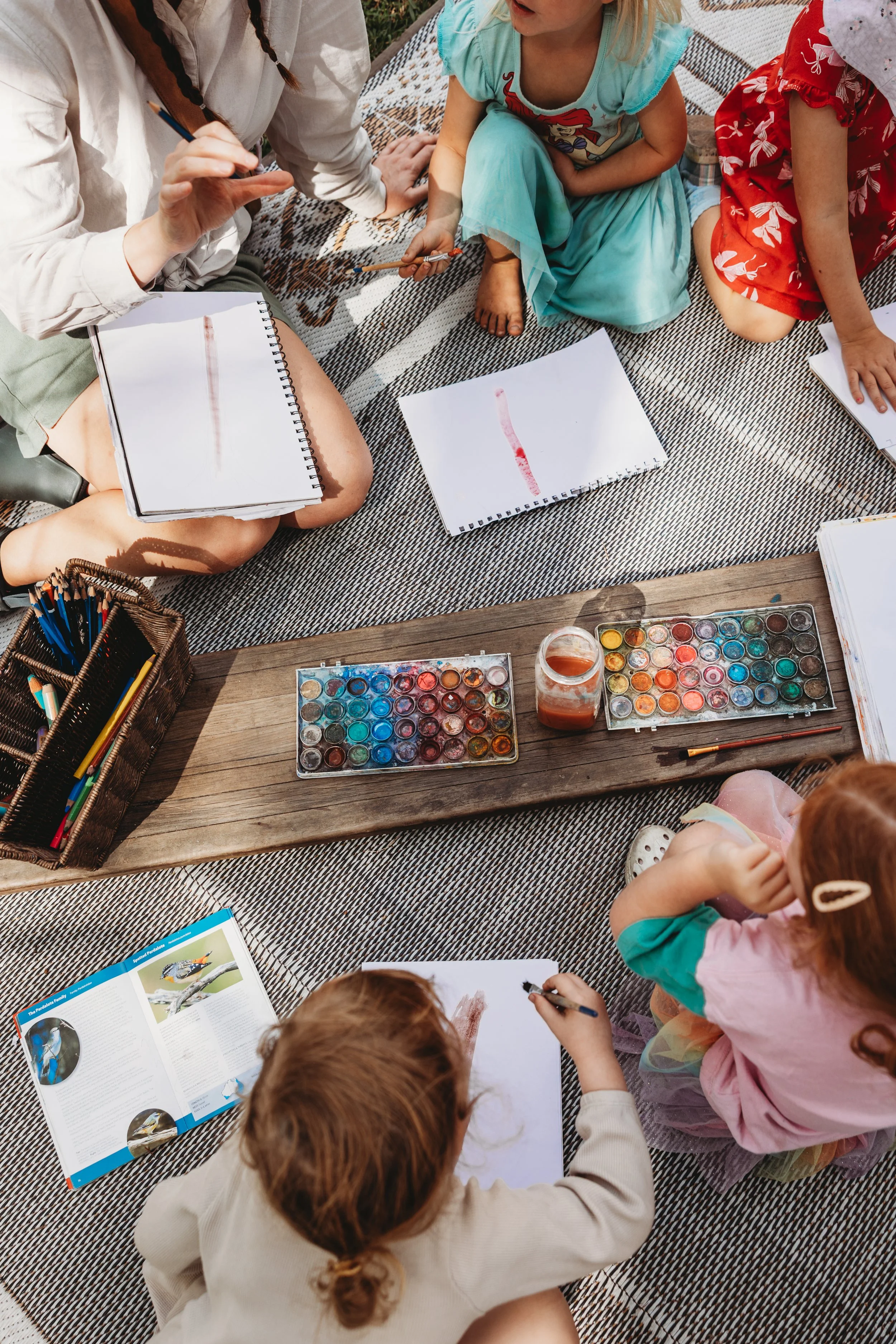
Clay and creative arts
Tool use
Tree climbing
Storytelling
Progressive mealtimes
Show & Share
Each day unfolds naturally rather than following a rigid timetable.
What does a typical day look like?
Yes, but perhaps not in the way you expect.
We don't believe children need worksheets or formal academic programs to become ready for school. Instead, children develop the skills schools value most:
Independence
Confidence
Emotional regulation
Communication
Problem solving
Resilience
Collaboration
Curiosity
Responsibility
These foundations are developed naturally through play.
Do you prepare children for Prep?
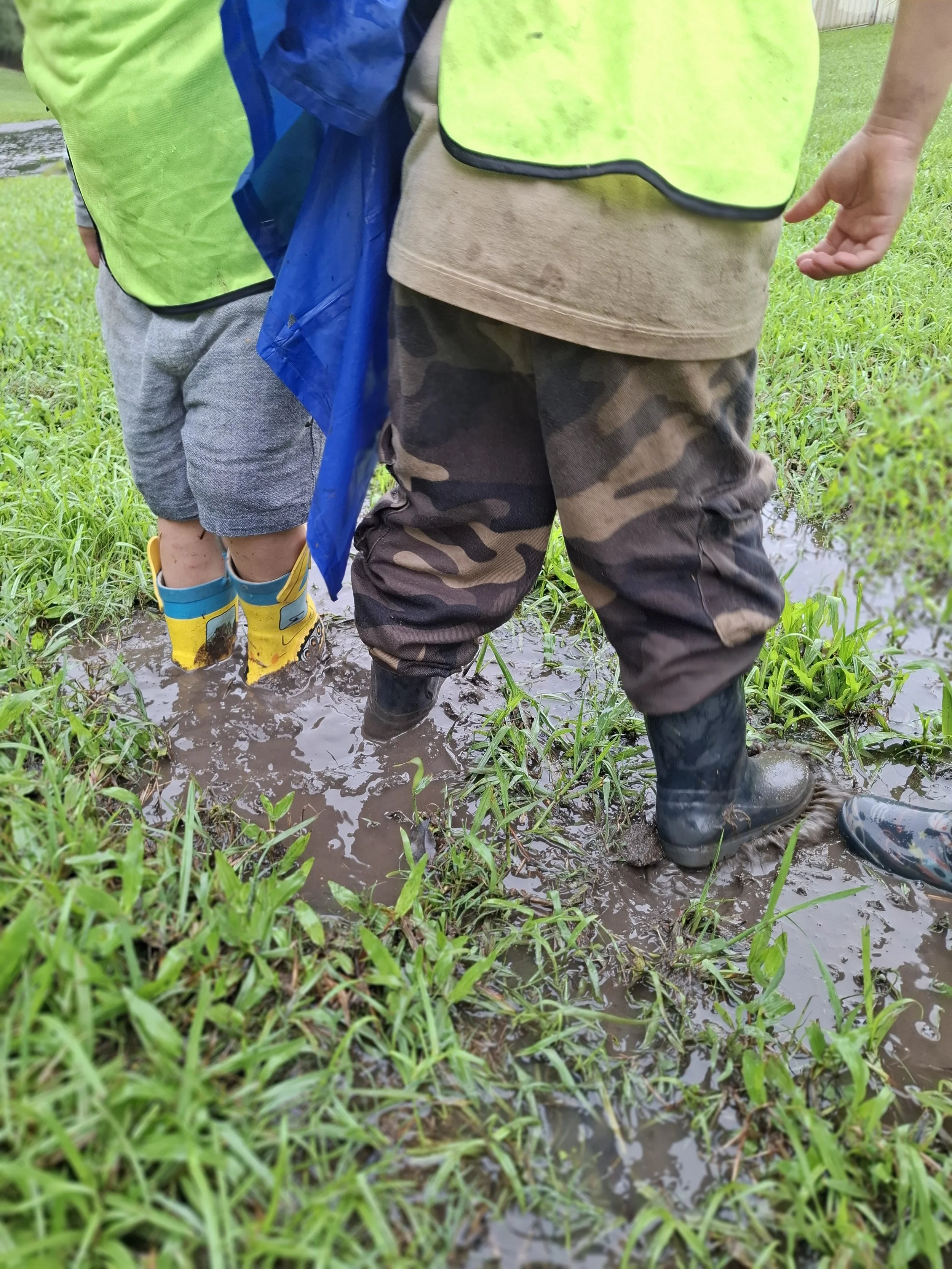
Are children outside all day?
Children spend the majority of their day outdoors because that's where our curriculum comes to life.
We head inside to research, during severe weather, or for specific experiences, but outdoor learning is at the heart of everything we do.
What happens when it rains?
We put on our rain gear and embrace it.
Rain creates incredible opportunities for exploration, creativity, scientific thinking, and joyful play.
Children splash in puddles, build waterways, observe changing ecosystems, and experience nature in all weather.
After all, nature doesn't stop because it's raining.
Nature Play & Safety
Is nature play safe?
YES! Safety is always our highest priority.
Rather than removing every possible risk, our educators carefully assess and manage risks while teaching children how to recognise and manage them themselves.
This helps children develop confidence, resilience, judgement, and independence.
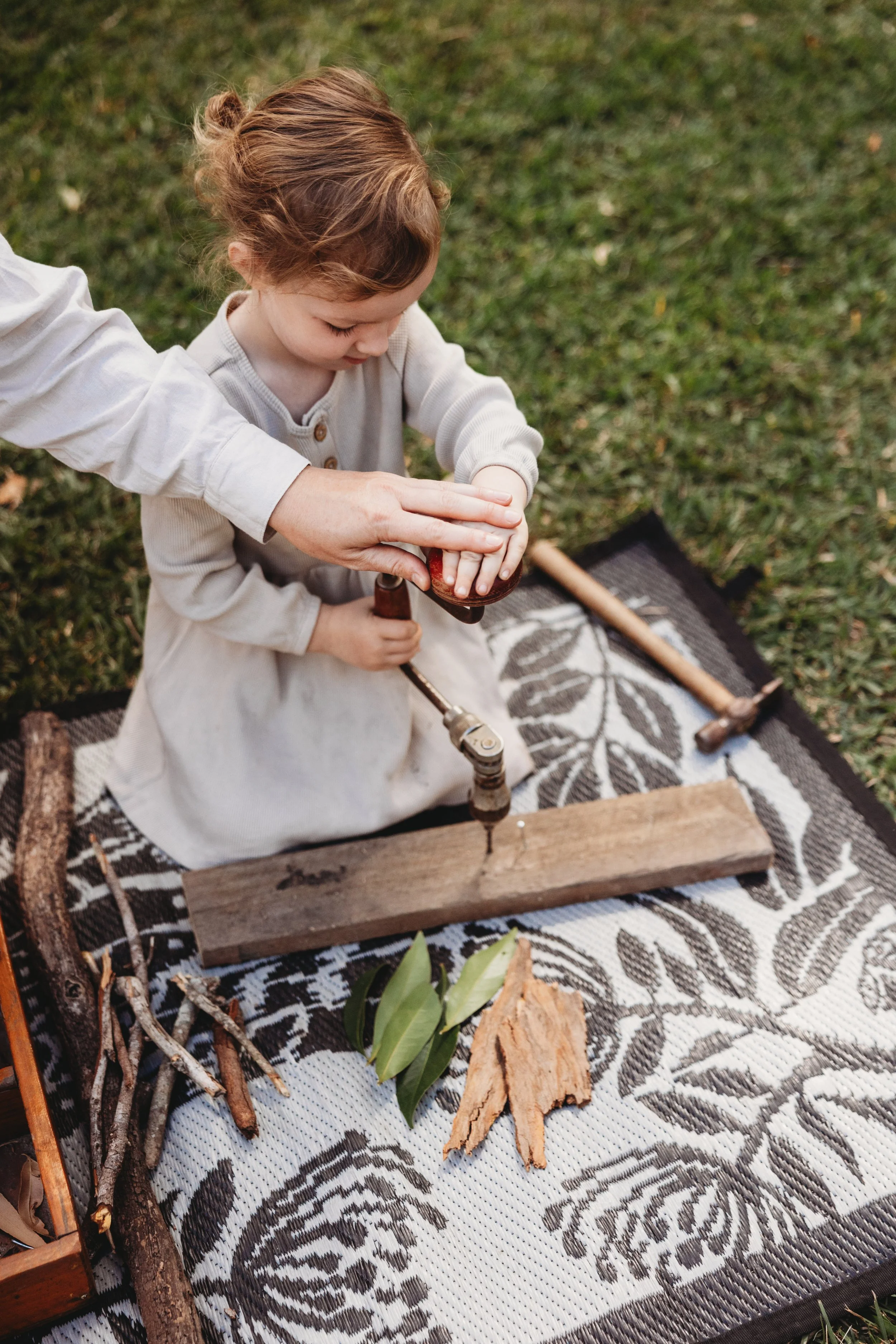
Why do children use real tools?
Real tools allow children to develop genuine life skills.
Under close supervision, children may use hammers, hand drills, peelers, and other age-appropriate tools to build, create, and solve problems.
Using real tools teaches responsibility, concentration, perseverance, and respect.
Why do children cook over a fire?
Cooking together builds community.
Children learn practical life skills while developing confidence, responsibility, teamwork, and an understanding of fire safety.
Cooking also provides wonderful opportunities for conversations, storytelling, mathematics, science, and cultural learning.
What happens if my child gets hurt?
Minor scrapes and bumps are a normal part of adventurous childhood.
Our educators are all trained in First Aid, CPR, Asthma, and Anaphylaxis management and respond immediately to any injury.
We communicate with families openly and document incidents whenever required.
My Child
Does my child need to be toilet trained?
No.
We work alongside families to support children wherever they are on their toileting journey.
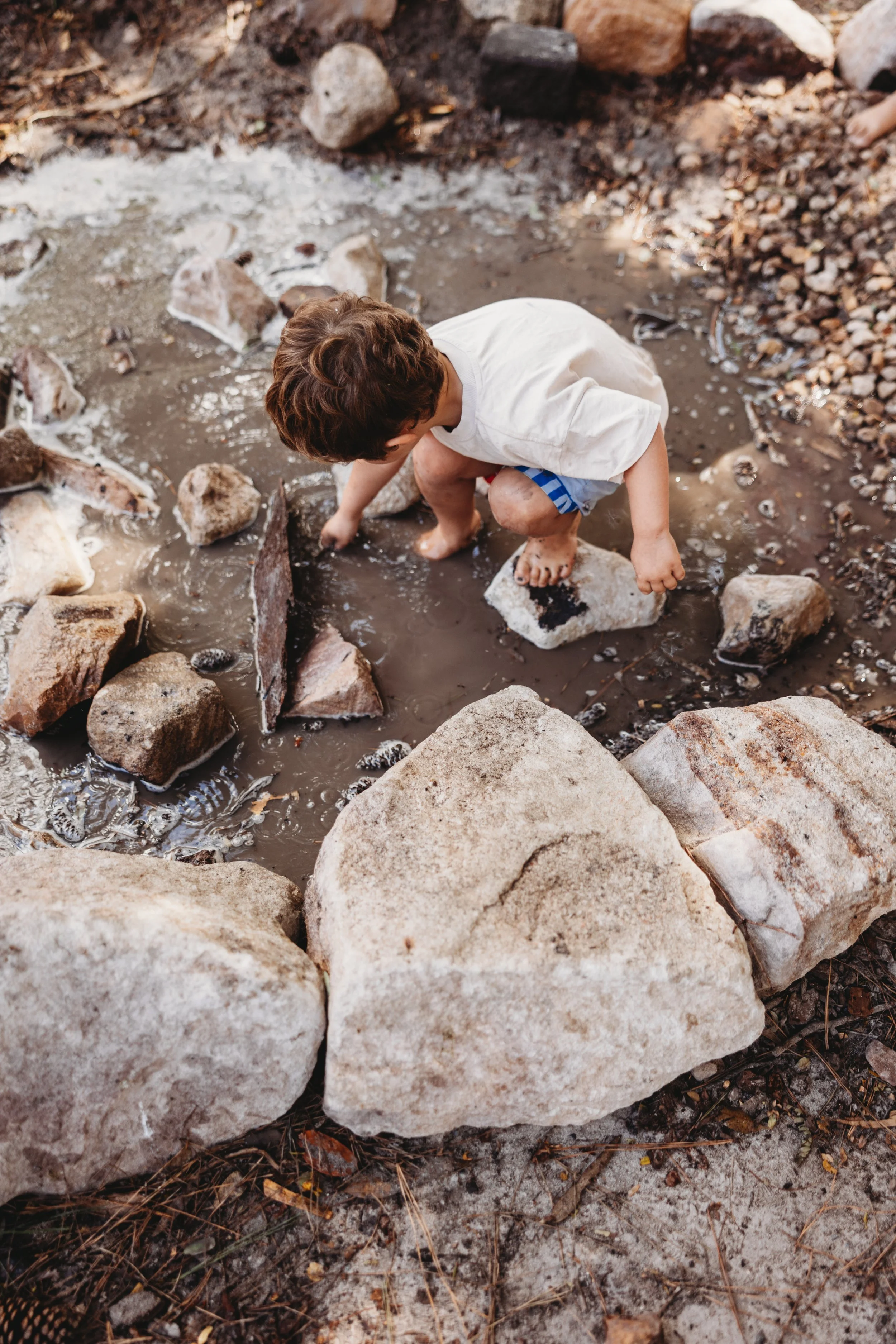
What if my child doesn't like getting dirty?
Many children don't at first and that's okay.
Children are never forced to participate in messy play.
As confidence grows, many naturally become more comfortable exploring different textures and environments.
Can children rest during the day?
Absolutely.
Children can choose to rest, relax, read, lie in a hammock, or enjoy a quiet space whenever they need it.
We recognise that rest looks different for every child.
What if my child has additional needs?
We welcome children of all abilities and work closely with families to understand each child's individual strengths and support needs.
Our goal is to create an inclusive environment where every child feels safe, valued, and able to participate meaningfully.
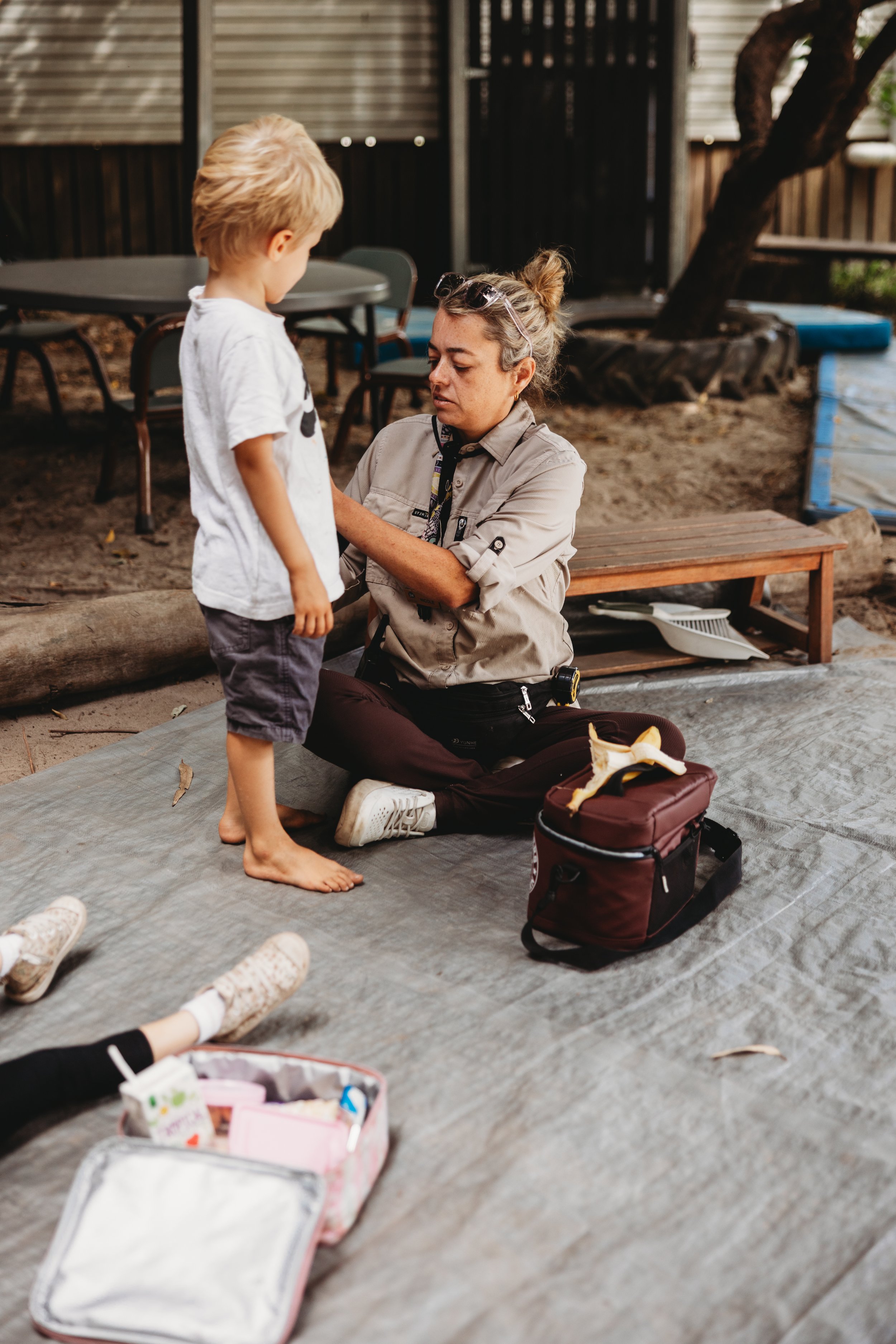
How do you keep food safe outdoors?
Keeping children's food safe is a priority at Little Wildlings, whether we're on-site or out exploring.
We ask families to pack lunches in a well-insulated lunchbox with a high-quality ice brick. We highly recommend MontiiCo or Spencil ice bricks, as they keep lunchboxes cold throughout the day, even in Queensland's warmer weather.
Children are encouraged to eat foods that need to stay the coldest earlier in the day, and if you've packed anything that requires extra refrigeration, we're happy to store it in our fridge until it's needed.
Our educators are all trained in safe food handling and follow strict food safety practices to ensure meals are stored, handled, and enjoyed safely throughout the day. With the right lunchbox and ice brick, families can feel confident that their child's food stays fresh while they enjoy a full day of outdoor adventure.
What if my child has anaphylaxis or severe allergies?
Your child's safety is our highest priority.
Before your child starts, we'll work closely with you to understand their allergies, triggers, and medical needs. All educators are trained in anaphylaxis management, and emergency medication always accompanies children offsite.
We use a range of strategies to reduce the risk of allergen exposure, including handwashing, careful supervision during meals, and individual allergy management plans.
Our goal is for every child to participate safely and confidently in all aspects of our program.
Learning & Documentation
How do you document my child's learning?
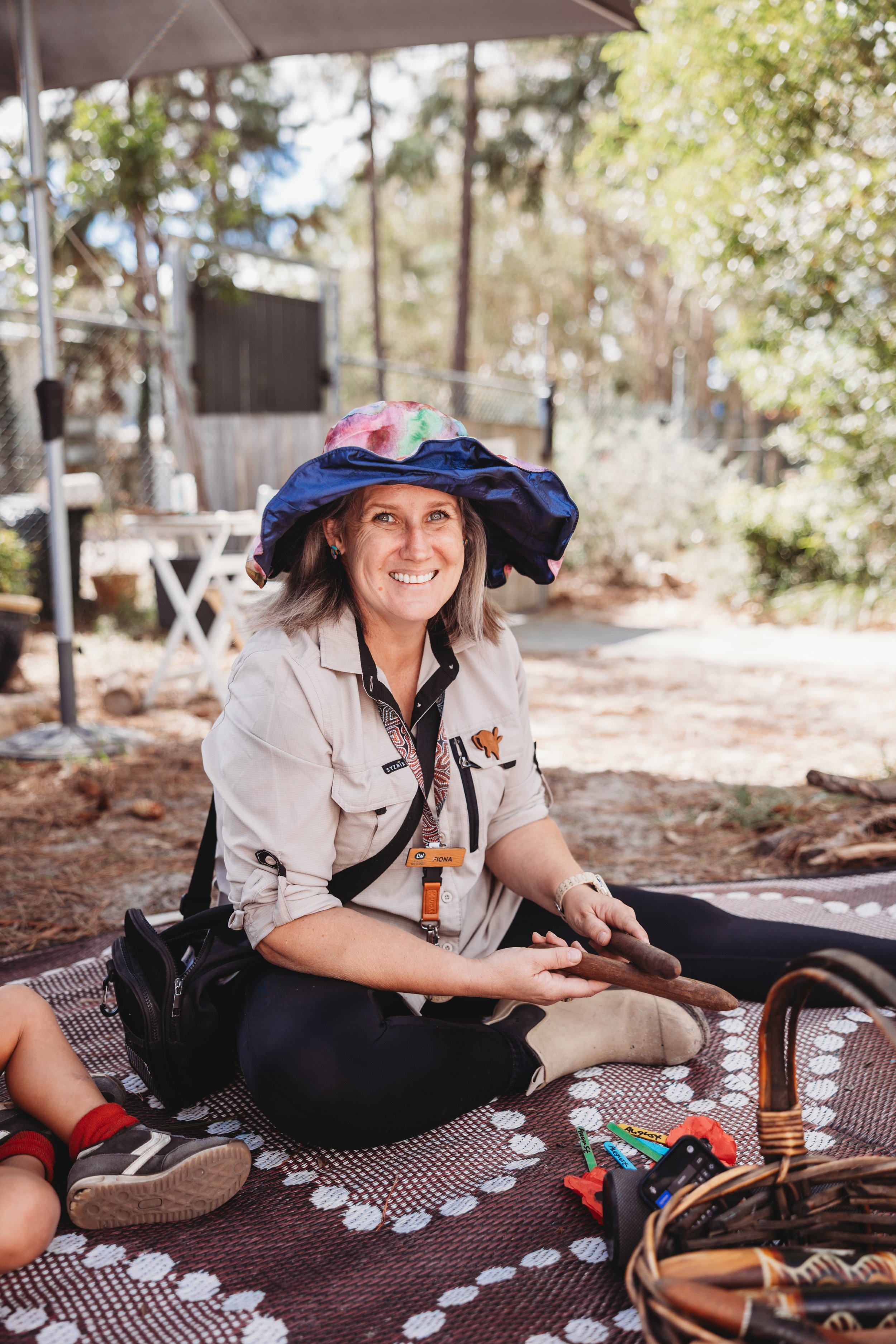
Rather than documenting everything, we focus on documenting what matters.
Educators observe children's learning over time, identify emerging interests and strengths, and reflect on how learning is developing.
Families receive a meaningful learning reflection story once a term, that tell the story of their child's growth rather than isolated snapshots.
How do you communicate with families?
We believe strong partnerships with families are essential. Our priority is to get to know each family and have meaningful converations with you at pick up and drop off times.
Communication includes:
Daily conversations
OWNA updates
Learning reflections
Newsletters
Family events
Phone calls and emails whenever needed
Family meetings
Will I receive photos every day?
You may, but not always.
Our educators prioritise being fully present with children rather than constantly taking photographs.
Some days there may be photos, while other days our focus is simply being engaged in the moment. Each week, educators aim to add meaningful observations and photos to your child's learning story. Rather than documenting everything your child does, we capture the moments that best tell the story of their learning, growth, and development.
How are First Nations perspectives embedded in your program?
First Nations perspectives are embedded throughout our curriculum, not reserved for special events or celebrations.
Children develop a connection to Country through everyday experiences in nature, caring for the environment, learning about local plants and animals, exploring seasonal change, and building respect for the world's oldest continuing cultures. We also learn alongside First Nations community members and value authentic relationships that help guide our practice.
What cultural events do you celebrate?
At Little Wildlings, we are committed to creating a culturally safe, inclusive, and responsive community. Rather than following a fixed calendar of celebrations, we invite our children and families to share the cultural events, traditions, and celebrations that are meaningful to them.
Throughout the year, we also acknowledge significant national events such as National Reconciliation Week and NAIDOC Week, alongside nature-based events that reflect our philosophy, including World Ocean Day, National Tree Day, and Outdoor Classroom Day.
Most importantly, we celebrate what matters most to children, their birthdays, achievements, family traditions, and the changing seasons, ensuring our curriculum reflects the unique community that makes up Little Wildlings.
Do you offer Queensland Free Kindy?
Yes.
Eligible children receive Queensland Kindergarten Funding when attending the required number of days during school terms. We require children to attend a minimum of 3 days to receive Kindy Funding.
Do you charge for public holidays?
Yes. Fees apply for public holidays that fall on your child's booked days.
Where available, we offer make-up days so families don't miss out on their child's time at Little Wildlings. While these can't be guaranteed, we're always happy to help where we can.
Health & Funding Requirements
Do you accept children who are unvaccinated?
Yes. Little Wildlings welcomes all children, regardless of their vaccination status.
We respect every family's right to make informed healthcare decisions for their children. At the same time, we take the health and wellbeing of our community seriously. If there is an outbreak of a vaccine-preventable disease, public health guidelines may require unvaccinated children to remain at home for a period of time to help protect everyone's health.
Can parents stay onsite?
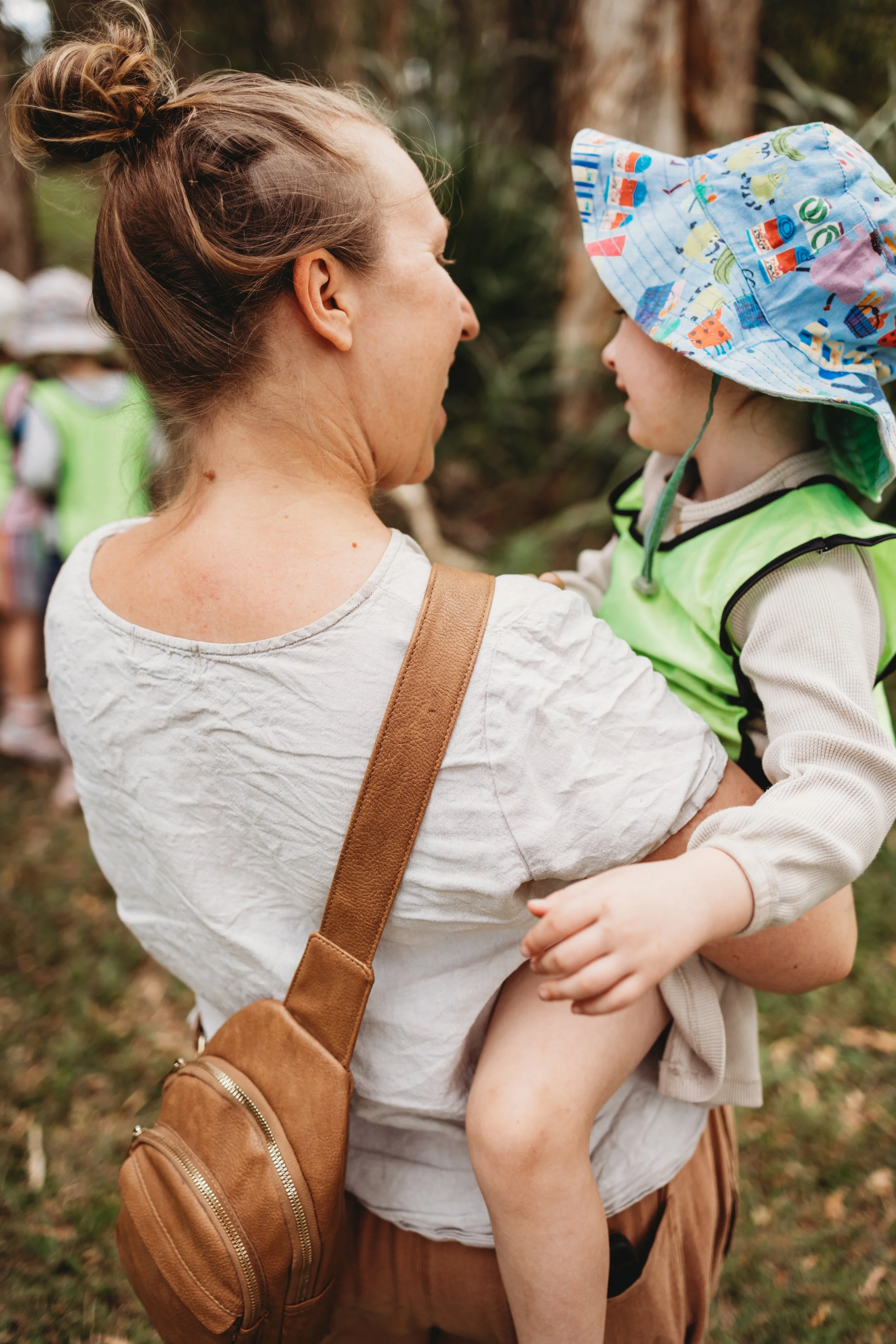
Yes! We have an open-door policy, and families are always welcome to spend time with their child at Little Wildlings.
Whether you'd like to join us for a while, volunteer, or simply enjoy a coffee, you're part of our community.
Need to work? We also offer a quiet workspace for parents, so you can work onsite while your child enjoys their day, it's just one of the ways we support our village.
Can I come for a tour?
Absolutely.
In fact, we encourage it.
The best way to understand Little Wildlings is to experience it in person, meet our educators, and see children learning naturally.
How do I enrol?
Simply submit an enquiry through our website.
We'll arrange a tour, discuss availability, answer any questions, and guide you through the enrolment process.